
- 09 Jun, 2025
Nepal is a beautiful mosaic of cultures, and nowhere is this more visible than in its traditional clothing. With over 100 ethnic communities, each with its own unique attire, Nepal’s fashion heritage is rich, colorful, and deeply rooted in history.
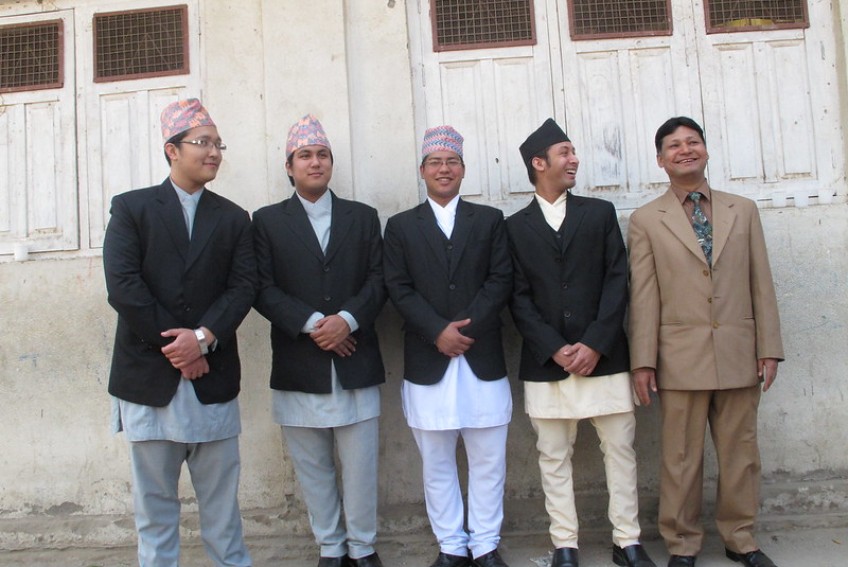
Worn by men, the Daura Suruwal consists of a long shirt (Daura) with closed-neck overlapping panels, fastened by cloth ties, and paired with tapered trousers (Suruwal). Traditionally worn with a Dhaka topi (hat), this attire is a symbol of Nepali pride and identity. It’s often seen during festivals, formal events, and national ceremonies.
Among the Newars and other ethnic groups, young girls are ceremonially gifted a Gunyo Cholo (sari and blouse) as a rite of passage. It's a significant outfit that marks the transition into womanhood.
A staple of Newar culture, the Haku Patasi is a black sari with a red border, paired with a white shawl (mihun lan) and ornate jewelry. It’s commonly worn during festivals like Indra Jatra and is celebrated for its elegance and simplicity.
Sherpa Chhuba: Thick woolen robe for high-altitude living.
Tharu Dress: Bright, colorful outfits adorned with glass beads and shells.
Limbu and Rai Attire: Worn with beautiful silver ornaments and patterned mekhli (blouses).
These traditional clothes not only represent regional styles but also express identity, social status, and spiritual beliefs. Many garments are handmade, incorporating Dhaka and wool weaves that reflect centuries of craftsmanship.
As the global fashion industry faces criticism for waste and exploitation, Nepal is quietly fostering...
Modern Nepal is a melting pot of tradition and contemporary fashion. From the bustling streets...



Comments (0)